
Art Therapy: Supporting emotional growth through creativity and compassion
I offer a supportive space where creativity becomes a bridge to self-awareness, resilience, and growth. Using art, play, and reflection, I help you express what words cannot, always at your own pace and in your own way.
What is art therapy?
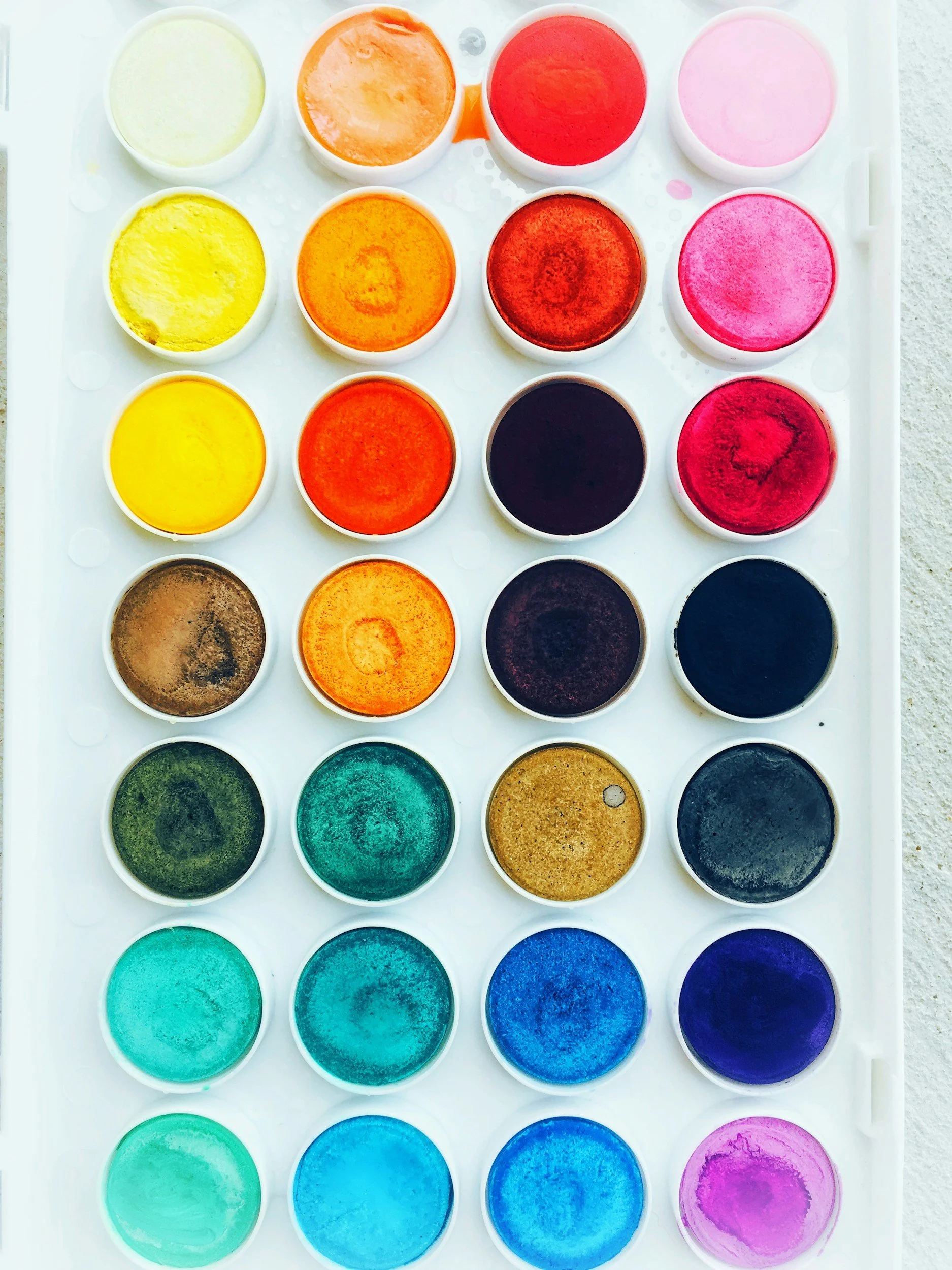
Art therapy is a form of psychotherapy that uses art making and creative play as a vehicle for expression and communication. Art-making encourages us to express ourselves and make sense of our emotions through the creative process, which can be particularly helpful when we are struggling to talk about or make sense of hard life experiences.
Art therapy sessions aren’t structured in the way art lessons are (and you don’t need to be good at art!) During sessions, art materials are used to reflect on life experiences - this involves processes such as:
Drawing
Painting
Photography
Clay
Writing and poetry
Using natural materials
Over time, sessions can help you to process difficult emotions, feel less isolated and misunderstood, find increased emotional freedom, foster feelings of hope, learn to be playful, and develop trust in yourself and others.
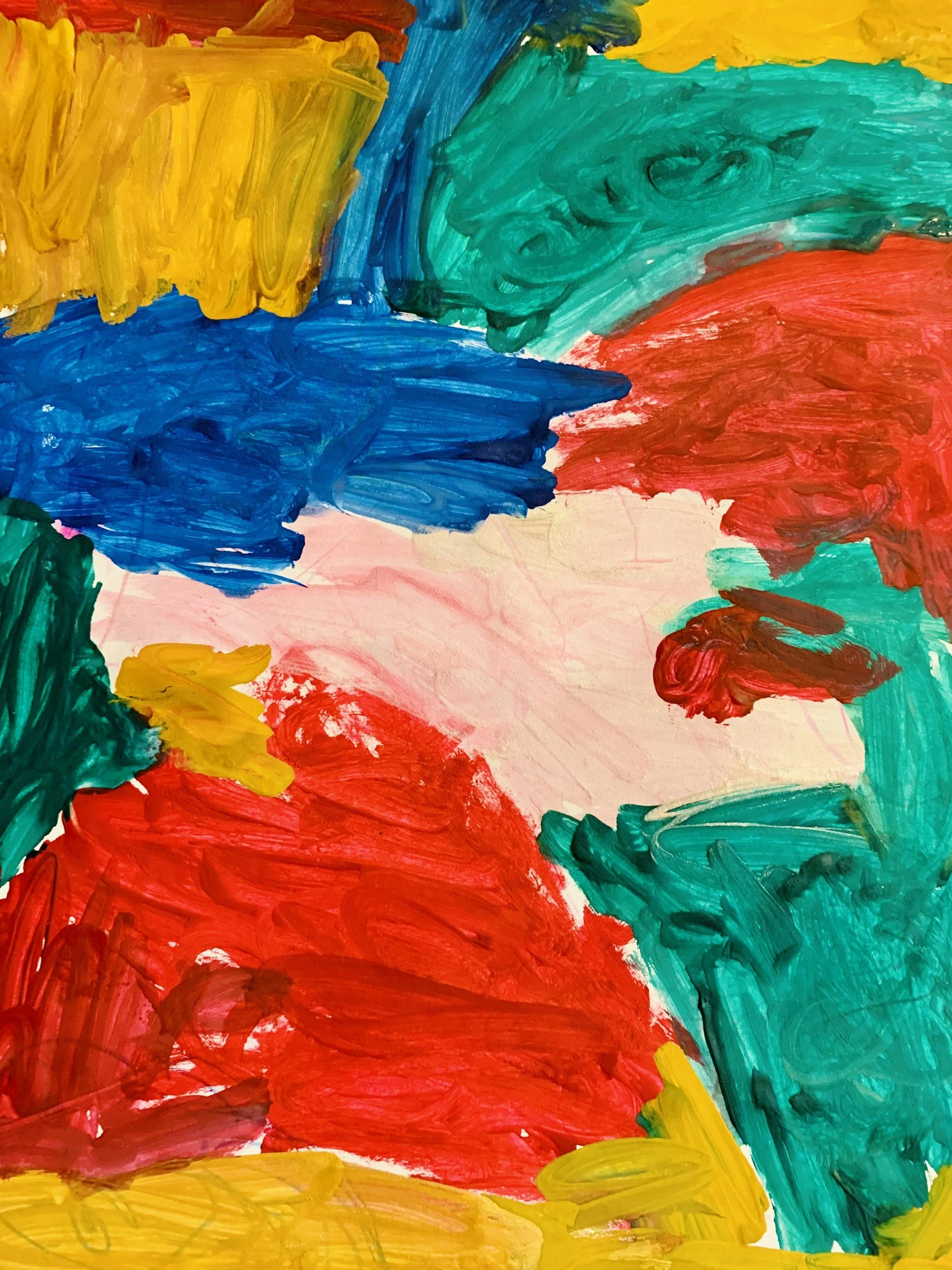
“Art Therapy is a form of psychotherapy that uses visual and tactile media as a means of self-expression and communication. Art therapists aim to support people of all ages and abilities and at all stages of life, to discover an outlet for often complex and confusing feelings, and foster self-awareness and growth.”
- The British Association of Art Therapists.
Therapeutic approaches
I’m an integrative therapist, which means I am trained in a variety of therapeutic approaches. I understand that each client has unique needs and requires different approaches to therapy. This flexibility allows me to offer diverse perspectives on the issues that bring clients to therapy. The therapeutic modalities I most frequently use include contemporary psychodynamic practice (including attachment theory), person-centered therapy, as well as neuro-affirming approaches.
Psychodynamic
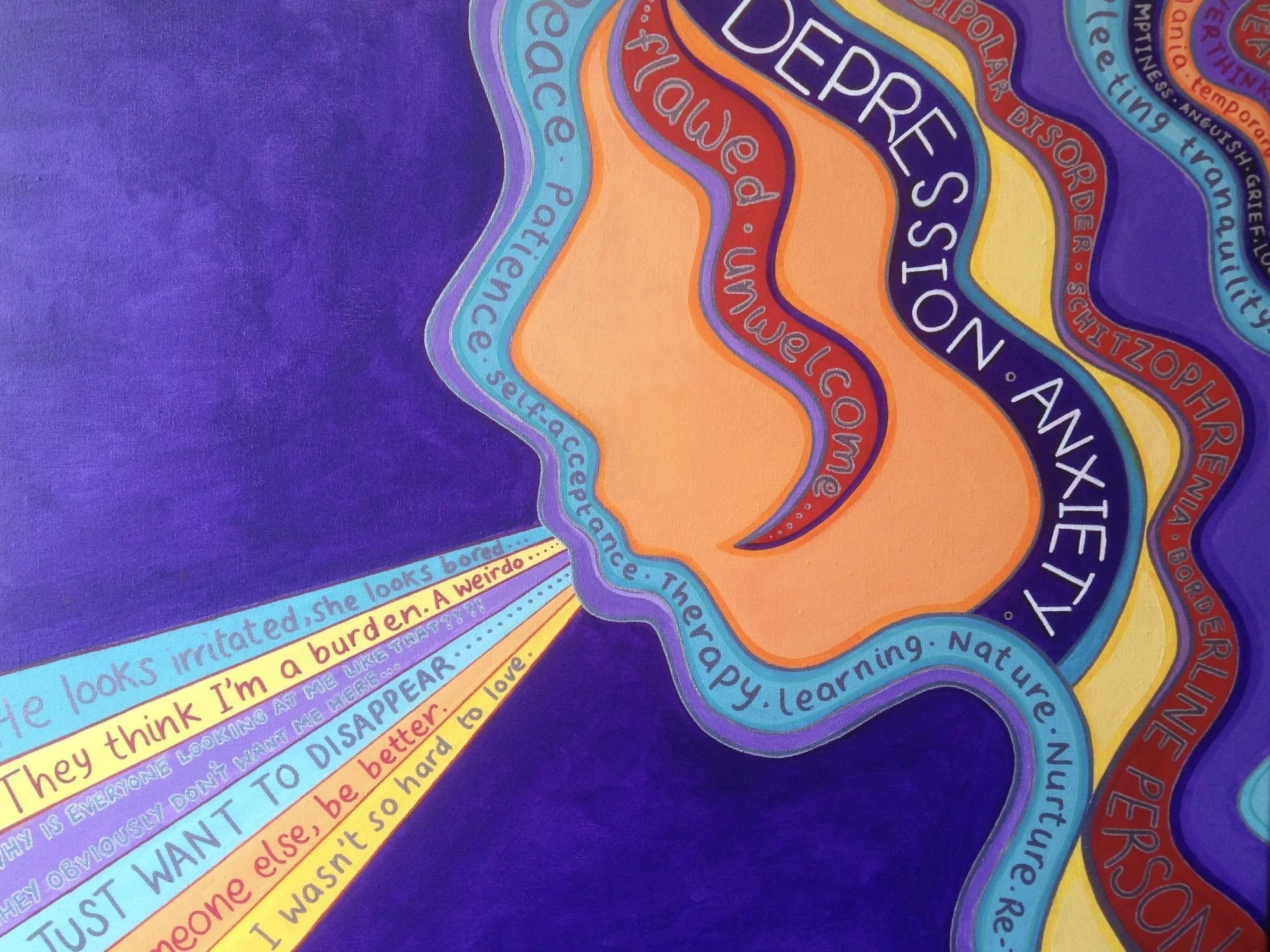
I offer a safe, supportive, and non-judgemental space where creativity can unfold at your own pace. Through art-making, we can begin to explore what may lie beneath the surface, and gently bring unconscious thoughts and feelings into awareness.
Often, our unconscious holds onto painful memories or emotions that may feel too overwhelming to face directly. The creative process offers a different kind of access - a way to express, contain, and begin to understand what words alone might struggle to capture. This can open the door to deep emotional insight and healing.
You are always in control of your process. While art-making is available as a tool for exploration, you're equally welcome to talk without creating - whatever feels right for you.
Person-Centred
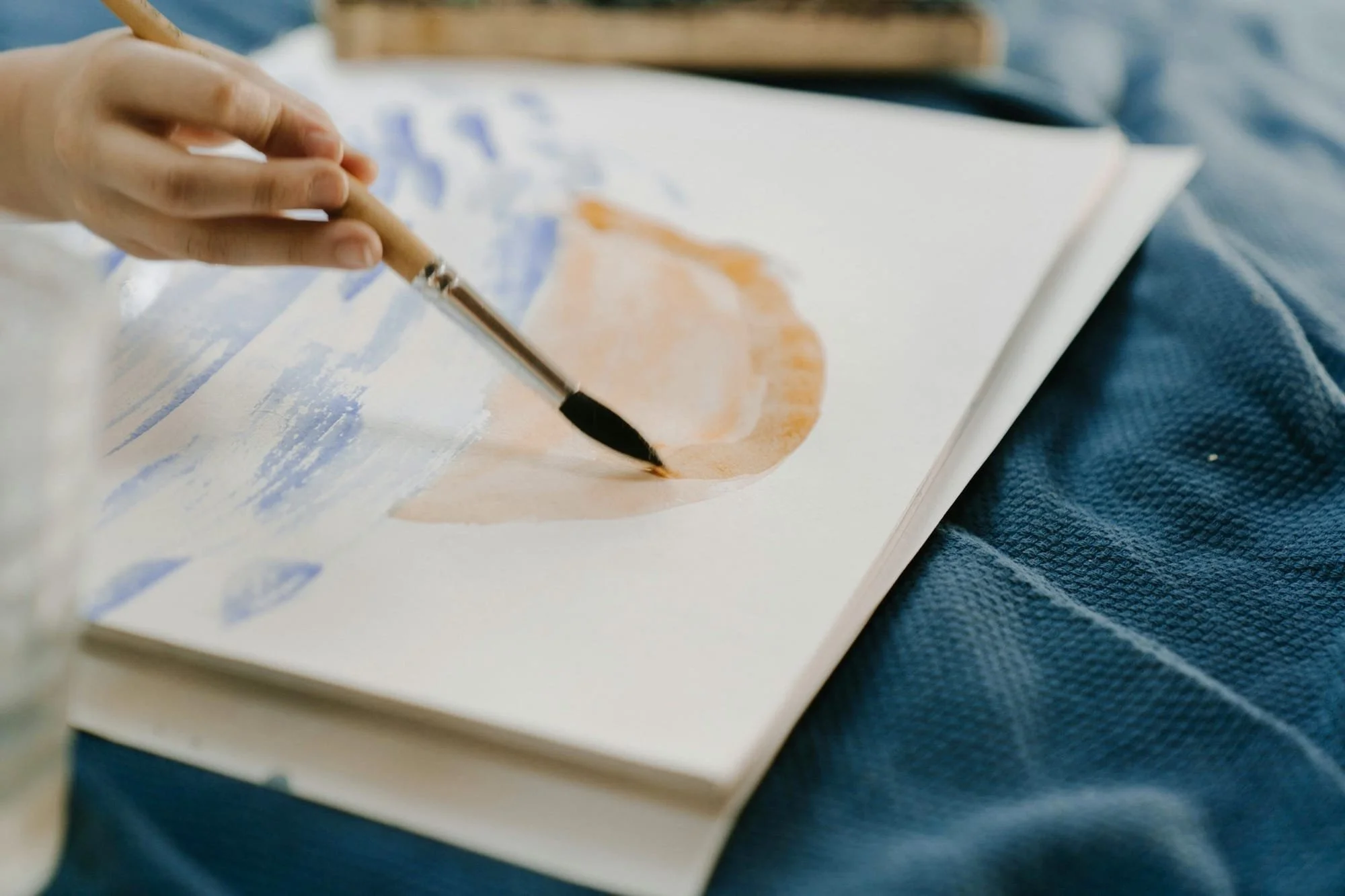
At the heart of my practice is a person-centred approach, which means I believe you are the expert of your own experience.
In art therapy, this approach allows you to lead the creative process. Whether you choose to make art, talk, or simply take time to reflect, your autonomy is always respected. I will be alongside you - not directing or interpreting, but supporting and holding space for whatever needs to emerge.
This kind of therapeutic approach fosters trust, self-awareness, and emotional growth, helping you reconnect with your inner resources and make sense of your experiences on your own terms.
Psychoeducation
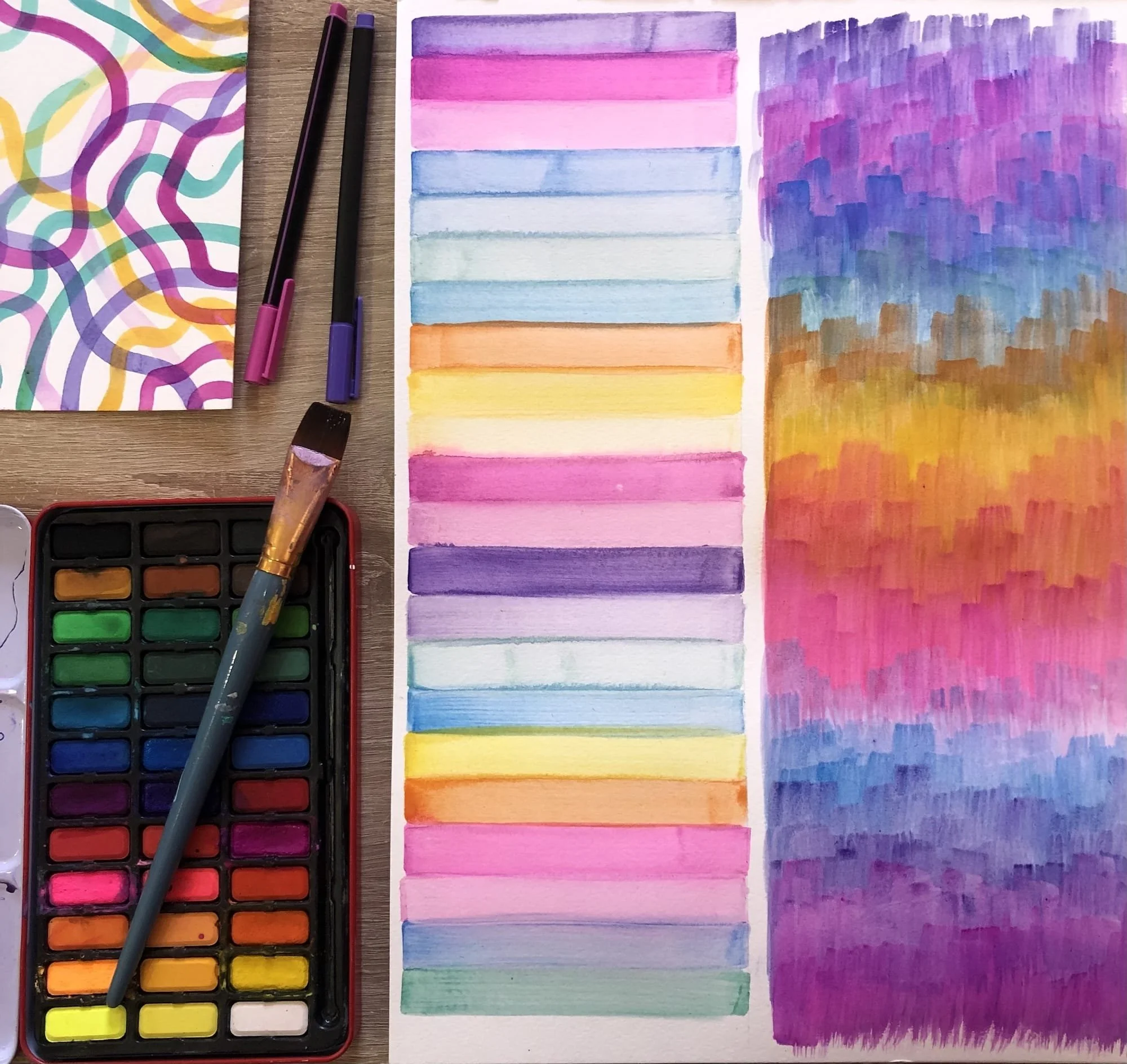
Many of the people I work with - particularly young people - find value in learning practical, evidence-based tools to support their mental wellbeing. As part of my therapeutic approach, I often integrate psychoeducation into sessions, offering strategies that can help manage everyday challenges like anxiety, stress, or low mood.
Together, we might explore techniques such as art-making, journaling, mindfulness, meditation, or the use of wellbeing apps to find what feels most useful and accessible to you.
Neuro-Affirming
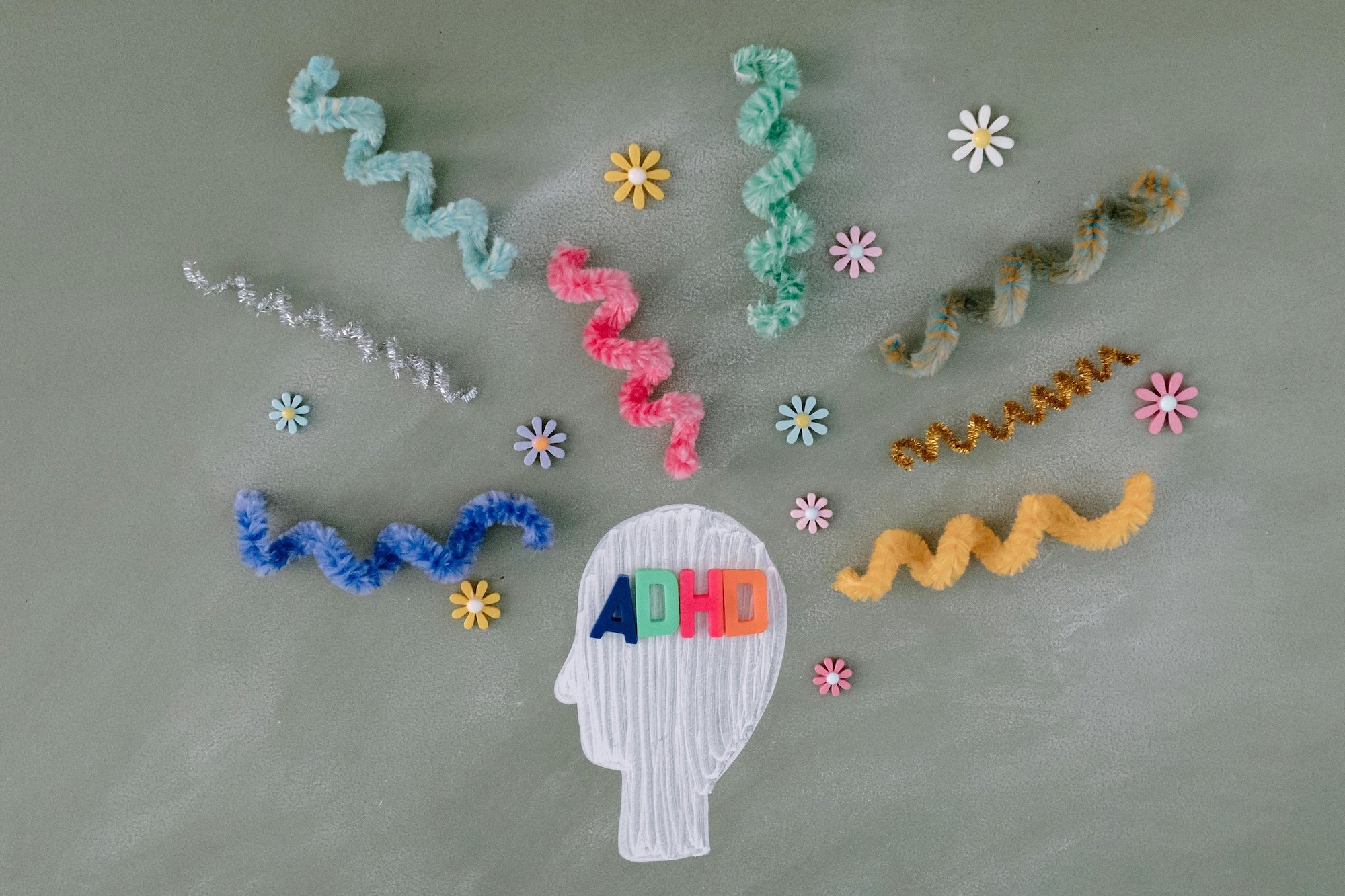
My practice is guided by a neuro-affirming approach, which recognises and respects neurological differences such as autism, ADHD, dyslexia, and other forms of neurodivergence as natural variations of the human experience, not deficits to be "fixed." I offer a supportive and flexible space where neurodivergent individuals feel accepted, understood, and valued for who they are.
In art therapy, this means adapting the environment, communication, and creative process to suit your unique needs and preferences. There’s no one-size-fits-all approach - whether you need more structure, sensory adjustments, or freedom to stim or take breaks, we’ll work together to make the space feel safe and accessible. Art-making can offer a powerful way to express experiences that might be difficult to put into words, and I’m here to support that exploration with care, curiosity, and respect.
Follow me on Instagram
“You become. It takes a long time. That’s why it doesn’t happen often to people who break easily, or have sharp edges, or who have to be carefully kept. Generally, by the time you are Real, most of your hair has been loved off, and your eyes drop out and you get loose in your joints and very shabby. But these things don’t matter at all, because once you are Real, you can’t be ugly, except to people who don’t understand.”
- The Velveteen Rabbit.